Daylight and Sunlight Assessments in Milton Keynes
Milton Keynes doesn't have the wall-to-wall Victorian terraces you find in a lot of London boroughs, but that doesn't make daylight and…

Milton Keynes doesn't have the wall-to-wall Victorian terraces you find in a lot of London boroughs, but that doesn't make daylight and sunlight any less of a planning issue here. The city is a mix with tightly built Georgian and Victorian streets in the historic centres of Stony Stratford, Wolverton and Newport Pagnell, and the low-rise grid-square estates like Oldbrook, Netherfield and Eaglestone from the new town's early decades, but also the more tightly spaced modern housing in expansion areas such as Broughton, Kingston and Oakgrove. Wherever you're building, if the proposal could reduce the light reaching a neighbour's window or garden, the council will expect that impact to have been properly thought through.
At Sunlight Assessments, we prepare BRE-compliant daylight and sunlight assessments for planning applications across Milton Keynes, carefully considering the policies the council actually applies rather than using a generic one-size-fits-all template.
When do you need an assessment in Milton Keynes?
A formal daylight and sunlight report isn't needed for every application, but it's commonly asked for, or worth having ready, in cases like:
- Extensions in the older, tightly built streets of Stony Stratford, Wolverton and Newport Pagnell, where neighbouring windows sit close to the shared boundary
- Infill or garden development within the established grid-square estates, where a new dwelling is being squeezed onto part of an existing plot
- New residential schemes in the city's expansion areas - Broughton, Kingston, Oakgrove and similar - where plot spacing is tighter than in Milton Keynes' older neighbourhoods
- Larger developments in or around Central Milton Keynes, where taller buildings could shade lower housing nearby
- Loft conversions and rear extensions that bring the built form closer to a neighbour's habitable room windows
- Any scheme where the council has flagged daylight or sunlight as a material consideration
If you're not sure whether your project falls into one of these categories, ask us. We'll give you a straight answer, and it won't cost you anything to find out.
How Milton Keynes' planning policy applies
Milton Keynes City Council determines applications against Plan:MK, the adopted Local Plan covering 2016 to 2031, in place since March 2019. It replaced the old Core Strategy and what remained of the 2005 Local Plan. A new plan, MK City Plan 2050, is being worked up and reached its Regulation 18 consultation stage in 2024, but until that's formally adopted, Plan:MK is what your application will be judged against. Its design policies expect development to sit comfortably alongside what's already there and to protect the amenity of neighbouring occupiers - and loss of daylight and sunlight is one of the amenity impacts officers are expected to consider.
For larger residential schemes, the council also applies its New Residential Design Guide SPD, adopted in 2012, which covers the character, layout and appearance of new housing across the city, including the spacing between buildings that has such a direct bearing on how much daylight reaches each home. Milton Keynes doesn't have a separate SPD for householder extensions in the way some London boroughs do - extensions and alterations are instead assessed against Plan:MK's general design policies, with officers looking at overlooking, privacy, external appearance and loss of light as standard parts of that assessment.
For the technical side, Milton Keynes uses the same national benchmark as every other planning authority: the Building Research Establishment's BR 209, Site Layout Planning for Daylight and Sunlight (2022 edition). This is what provides the measurable tests - VSC, NSL and APSH - that let us show whether a scheme's impact on a neighbour's light is likely to be acceptable.
You can find Plan:MK and the council's supplementary planning documents on the planning policy pages and the adopted SPD page.
How the assessment works
We follow the BRE BR 209 methodology to assess how a proposal affects daylight and sunlight to neighbouring properties. The core tests are:
Vertical Sky Component (VSC): how much sky is visible from the centre of a window. BRE guidance treats 27% or above as generally adequate, and a reduction to less than 0.8 times the existing value is usually the point at which occupants start to notice the difference.
No-Sky Line (NSL): where daylight stops reaching into a room, plotted as a line. If the daylit area of a room shrinks by more than 20%, the drop in daylight quality is likely to be noticeable.
Annual Probable Sunlight Hours (APSH): used for windows facing within 90 degrees of due south, looking at both winter and annual sunlight totals to judge whether any loss is material.
Where a garden or amenity space is affected, we'll also run a sun-on-ground study - relevant across Milton Keynes given how many properties, from the older grid squares to the newer estates, rely on private garden space as their main outdoor amenity.
What our Milton Keynes report includes
Our daylight and sunlight assessments for applications in Milton Keynes typically cover:
- A description of the proposed development and its surrounding context
- Identification of the neighbouring windows and amenity spaces that could reasonably be affected
- VSC and NSL calculations for the relevant neighbouring properties
- APSH calculations where sunlight to gardens or amenity space is a factor
- A comparison against BRE BR 209 benchmarks
- A clear, planning-focused judgement on whether any impact is likely to be considered acceptable
- Practical suggestions for design changes where they would help the application
All our reports are prepared by qualified consultants who understand how Milton Keynes' particular mix of housing types affects daylight assessment.
Get in touch
Planning a project in Milton Keynes and want to know whether you need a daylight and sunlight assessment? Get in touch for a free initial consultation. We can turn a report around within 5 working days once we have the information we need.

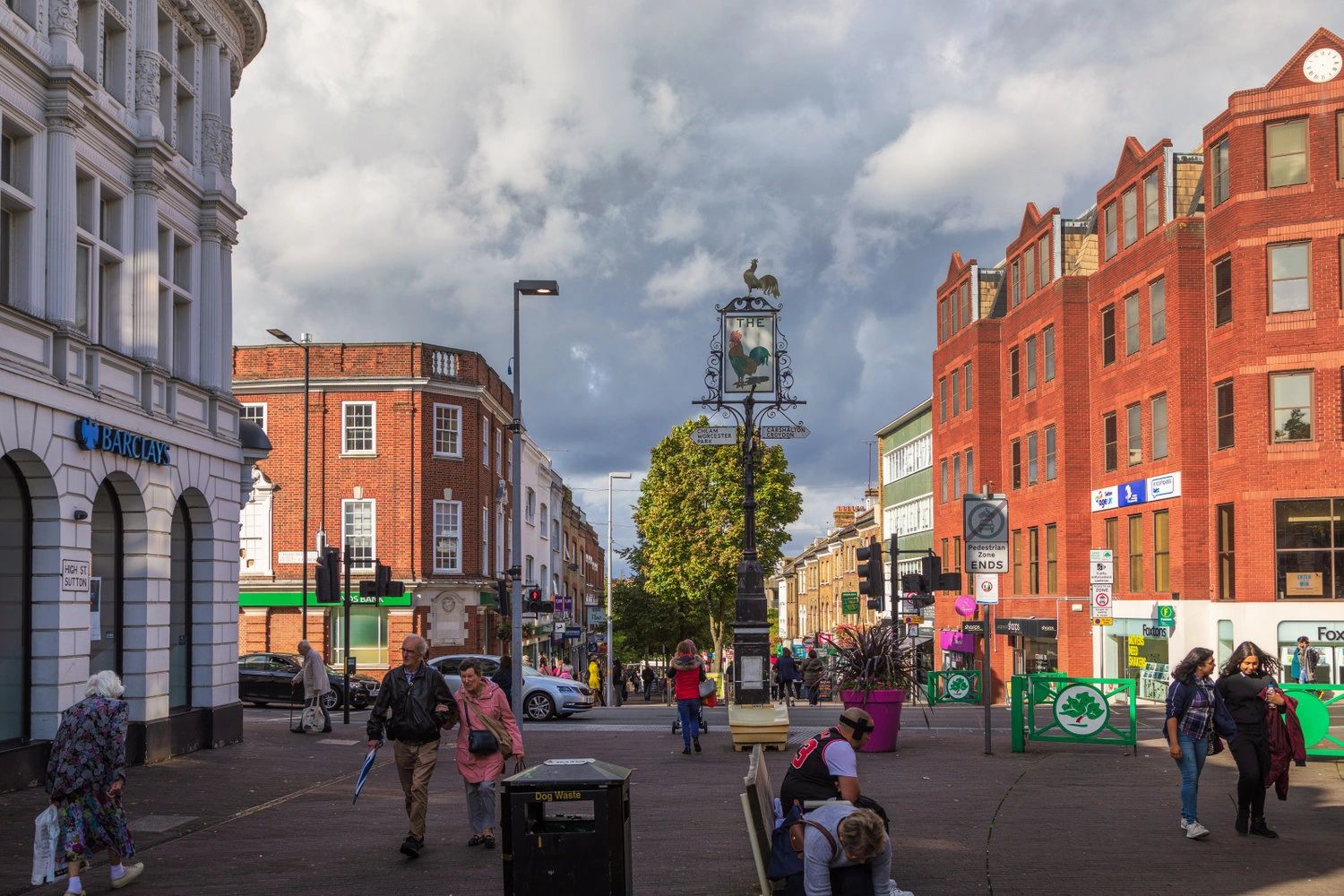
Daylight & Sunlight Assessments in Sutton
Concerned about an objection?
Get expert daylight and sunlight advice to protect your development and peace of mind.
or call 01962 809155

Specialist daylight, sunlight and overshadowing assessments for planning and development across the UK.



FOR ALL NEW ENQUIRIES - please fill out the contact form.

37/39 Southgate Street, Winchester Hampshire SO23 9EH

15189362