The 45 Degree Rule: The Most Misunderstood Rule in Planning
The 45-degree rule explained — how planners judge daylight impact on neighbours, and what it means for your extension or development.
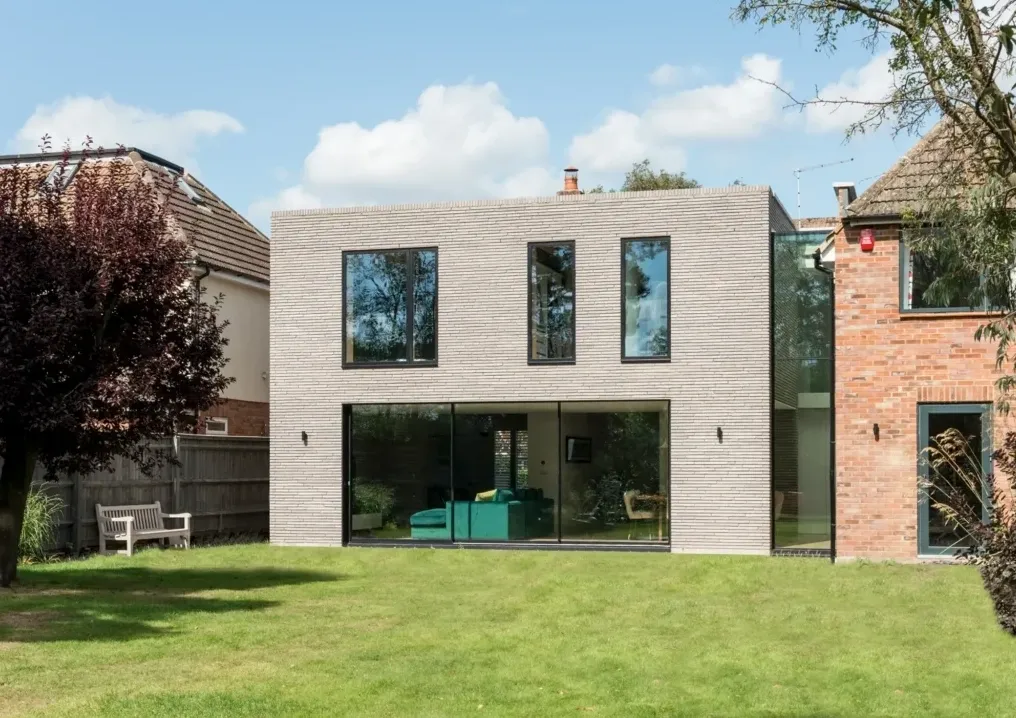
Many people believe that if their proposal passes the 45-degree rule, they will automatically be granted planning permission. Equally, people also assume that a breach of the rule will lead to an automatic rejection of their proposal by the council. Neither is true.
To begin, let’s uncover what the 45-degree rule really is. The concept is simple. Draw a line at 45 degrees from the centre of the neighbouring window. If the extension remains within the line, the impact on neighbouring sunlight and daylight is generally considered likely to be limited. This is therefore often used by planning officers as a quick check or rule of thumb as to whether a sunlight or daylight assessment would be helpful to support the planning application.
One of the biggest misconceptions we see when discussing this rule is people treating it as a straightforward pass or fail test. In reality, the 45-degree rule works as a quick way of identifying schemes which may need closer scrutiny. The rule does not measure either sunlight or daylight, nor is it a part of any BRE guidance. In fact, we regularly see schemes that fail the 45-degree rule but comfortably pass the BRE assessment criteria. That’s because actual daylight and sunlight performance is a lot more complex than a straight line drawn on a plan.
When it comes to our daylight and sunlight reports, we create a detailed 3D model of the existing property, the proposed development and the surrounding buildings to provide a comprehensive picture of the "before and after”.
Using specialist software, we typically assess:
- Vertical Sky Component (VSC) – the amount of sky visible from a window.
- No-Sky Line (NSL) – how daylight is distributed within a room.
- Annual Probable Sunlight Hours (APSH) – the amount of direct sunlight received by a window throughout the year.
- Sun on Ground (SoG) – the impact of the proposal on sunlight levels within gardens and other outdoor spaces.
These assess real life sunlight and daylight conditions rather than a 45-degree line which fails to consider distance, orientation, existing obstructions such as trees or surrounding buildings, or window size. To summarise the 45-degree rule looks at the proposal in isolation whereas our software looks at the proposal in context, and this surrounding context can have a large impact on the performance of your proposal.
In essence, the 45-degree rule is a useful screening tool, but it is not a daylight and sunlight assessment. It can provide an initial indication of whether a proposal may require further investigation, but it should not be treated as a definitive measure of planning acceptability. Where there is uncertainty, a BRE-compliant daylight and sunlight assessment will provide a far more reliable indication of planning risk.

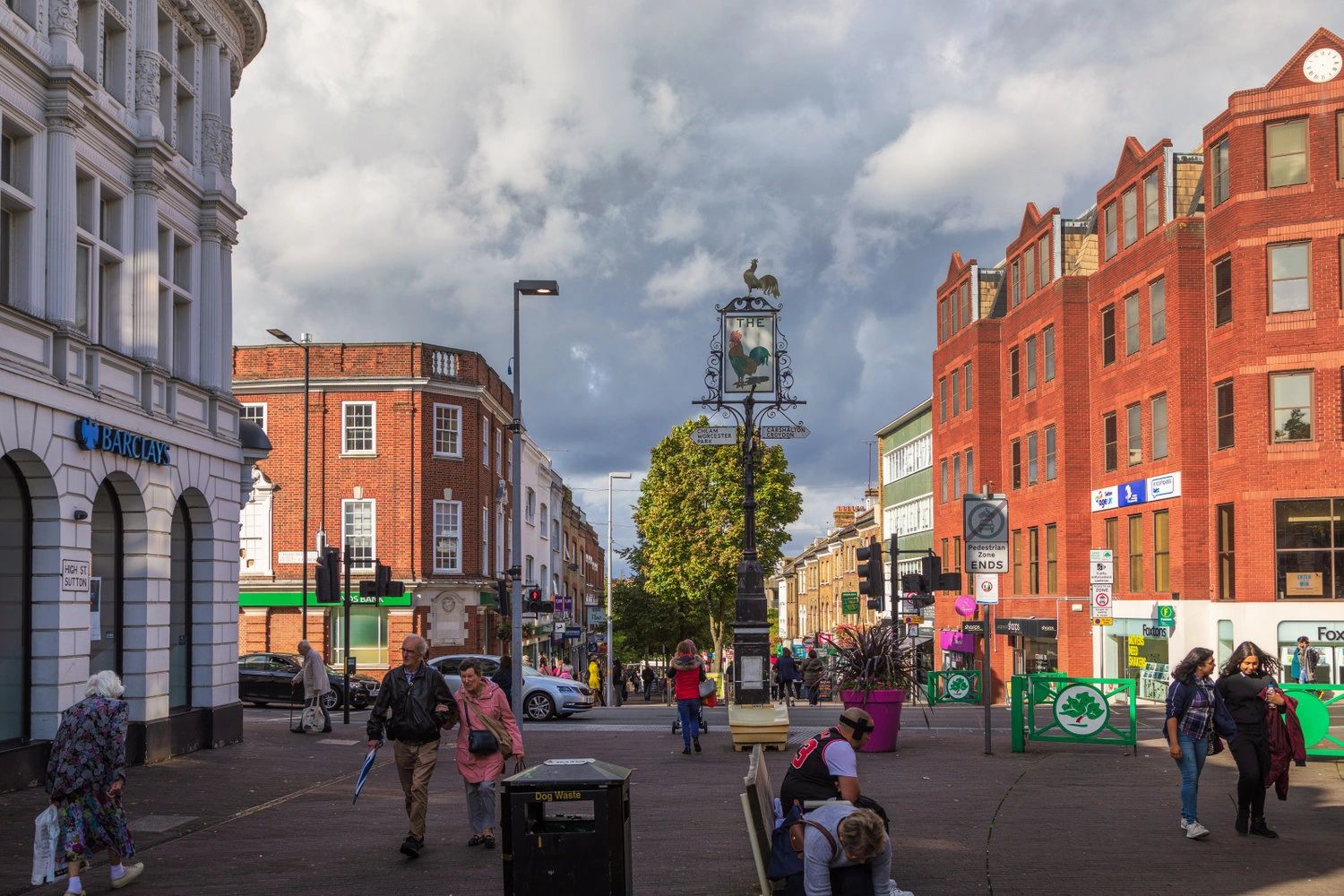
Daylight & Sunlight Assessments in Sutton
Concerned about an objection?
Get expert daylight and sunlight advice to protect your development and peace of mind.
or call 01962 809155
Specialist daylight, sunlight and overshadowing assessments for planning and development across the UK.



FOR ALL NEW ENQUIRIES - please fill out the contact form.

37/39 Southgate Street, Winchester Hampshire SO23 9EH

15189362