Daylight and Sunlight Assessments in Merton
Daylight and sunlight are an important consideration in Merton planning decisions, and showing that your scheme keeps the impact on neighbours within…
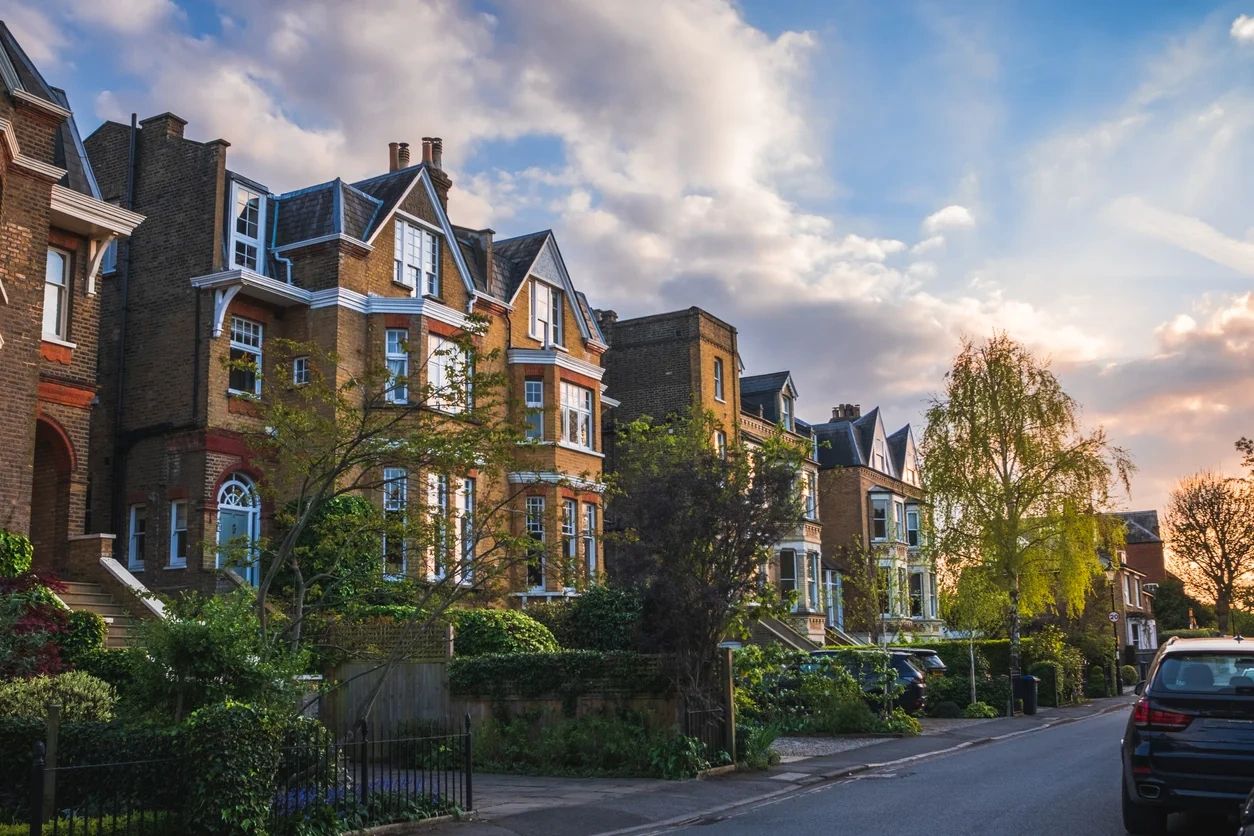
Daylight and sunlight are an important consideration in Merton planning decisions, and showing that your scheme keeps the impact on neighbours within acceptable limits is often key to obtaining permission. Whether you are extending a Victorian home in Wimbledon or Raynes Park, altering a property in Mitcham or Colliers Wood, or bringing forward a larger residential scheme around Morden, South Wimbledon or Merton Park, the effect of your proposals on surrounding homes is likely to be scrutinised - and the responsibility is generally on the applicant to demonstrate that any loss of light is reasonable.
At Sunlight Assessments, we prepare BRE-compliant daylight and sunlight assessments for planning applications across the London Borough of Merton. Our reports are clear, technically robust, and written around the specific policy tests Merton uses to determine applications.
When is an assessment needed in Merton?
Not every application requires a formal study, but one is commonly expected where:
- Extensions that extend close to a boundary with a neighbouring property, particularly where habitable rooms face the affected elevation
- New residential developments where neighbouring properties may lose access to natural light
- Applications where the Local Planning Authority has identified daylight and sunlight as a material planning consideration
- Side and rear extensions or loft conversions in tightly built Victorian and Edwardian terraces, where neighbouring windows may be particularly close to the proposed works
- Conversions and changes of use where new habitable rooms are proposed
If you are unsure whether your scheme requires an assessment, we are happy to advise on this at no cost.
Merton's planning policy in detail
Merton determines applications against its Merton Local Plan 2024, adopted on 20 November 2024 and covering the period to 2037/38, read together with the Mayor's London Plan. It is a recently adopted plan, and it treats daylight and sunlight as an important part of protecting residential amenity and human health.
The most directly relevant policy is D12.3, which requires development proposals to demonstrate that acceptable levels of light would be available to their surroundings. The plan is also specific about when supporting evidence is expected: daylight and sunlight assessments are required for all major development, for the creation of new dwellings, and for any development with the potential to affect the daylight and sunlight currently enjoyed by existing properties. Assessments are expected to include overshadowing studies with shadow diagrams at hourly intervals at different times of the year, and where a scheme includes single-aspect units, the plan looks for an assessment of internal daylight using the Vertical Sky Component (VSC) and Average Daylight Factor (ADF).
For householder schemes, Merton's design guidance - including its Extensions and Alterations to Dwellings guidance and, for infill and backland proposals, the Small Sites Toolkit SPD - provides the detailed design criteria the council uses to judge whether an extension or new home will harm a neighbour's light and outlook. This guidance is read alongside the Local Plan.
For the numerical assessment, Merton relies on the Building Research Establishment's guidance, BR 209: Site layout planning for daylight and sunlight (2022 edition), the nationally recognised benchmark. This provides the measurable tests - VSC, NSL and APSH, along with overshadowing analysis - used to show whether the amenity protections in the Local Plan are met.
You can review Merton's adopted Local Plan at merton.gov.uk/planning-and-buildings/planning/local-plan and the borough's supplementary planning documents and guidance at merton.gov.uk/planning-and-buildings/planning/supplementary-planning-documents.
How the assessment works
We use the methodology set out in BRE BR 209 to assess the impact of proposed development on daylight and sunlight. The key tests we carry out include:
Vertical Sky Component (VSC): This measures the amount of sky visible from the centre of a window. BRE guidance recommends that a VSC of 27% or more is generally considered adequate. Where a development results in a VSC that is less than 0.8 times its former value, the reduction may be noticeable to occupants.
No-Sky Line (NSL): This assesses the distribution of daylight within a room by plotting the line beyond which no sky is visible. Where the area of a room that can receive direct skylight is reduced by more than 20%, occupants are likely to notice a deterioration in the quality of daylight.
Annual Probable Sunlight Hours (APSH): This test is used to assess access to sunlight for windows that face within 90° of due south. It considers both the winter and annual totals to determine whether sunlight losses are likely to be material.
Where appropriate, we also carry out sun-on-ground studies to assess the impact on garden or amenity spaces.
What our Merton report includes
Our daylight and sunlight assessments for Merton planning applications typically include:
- A clear description of the proposed development and the surrounding context
- Identification of all relevant neighbouring windows and amenity spaces
- VSC and NSL calculations for affected neighbouring properties
- APSH calculations where required
- A comparison of results against BRE BR 209 benchmarks
- A professional assessment of whether any identified impacts are likely to be considered material in planning terms
- Recommendations for design amendments where required, to help reduce impacts and support approval
All reports are produced by qualified consultants with experience of working across the London Borough of Merton.
Get in touch
If you are planning a development in Merton and would like to discuss whether you need a daylight and sunlight assessment, please get in touch. We offer a free initial consultation and can turn around a report within 5 working days of receiving the necessary information.

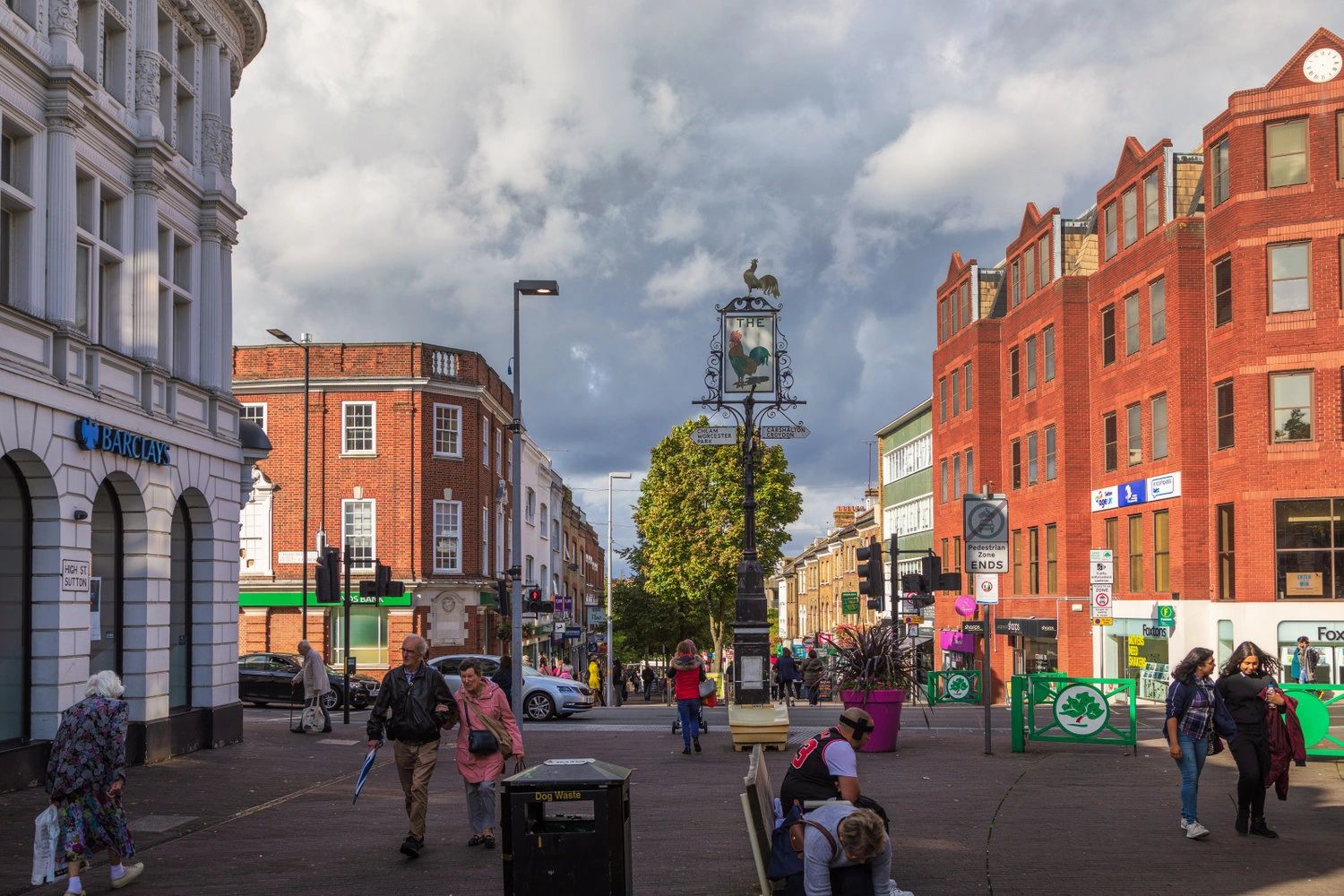
Daylight & Sunlight Assessments in Sutton
Concerned about an objection?
Get expert daylight and sunlight advice to protect your development and peace of mind.
or call 01962 809155
Specialist daylight, sunlight and overshadowing assessments for planning and development across the UK.



FOR ALL NEW ENQUIRIES - please fill out the contact form.

37/39 Southgate Street, Winchester Hampshire SO23 9EH

15189362