Daylight and Sunlight Assessments in Barking and Dagenham
BRE daylight and sunlight reports in Barking and Dagenham: Ripple Road case study, Local Plan 2037 requirements, fixed fees. Usually 4–5 working days.
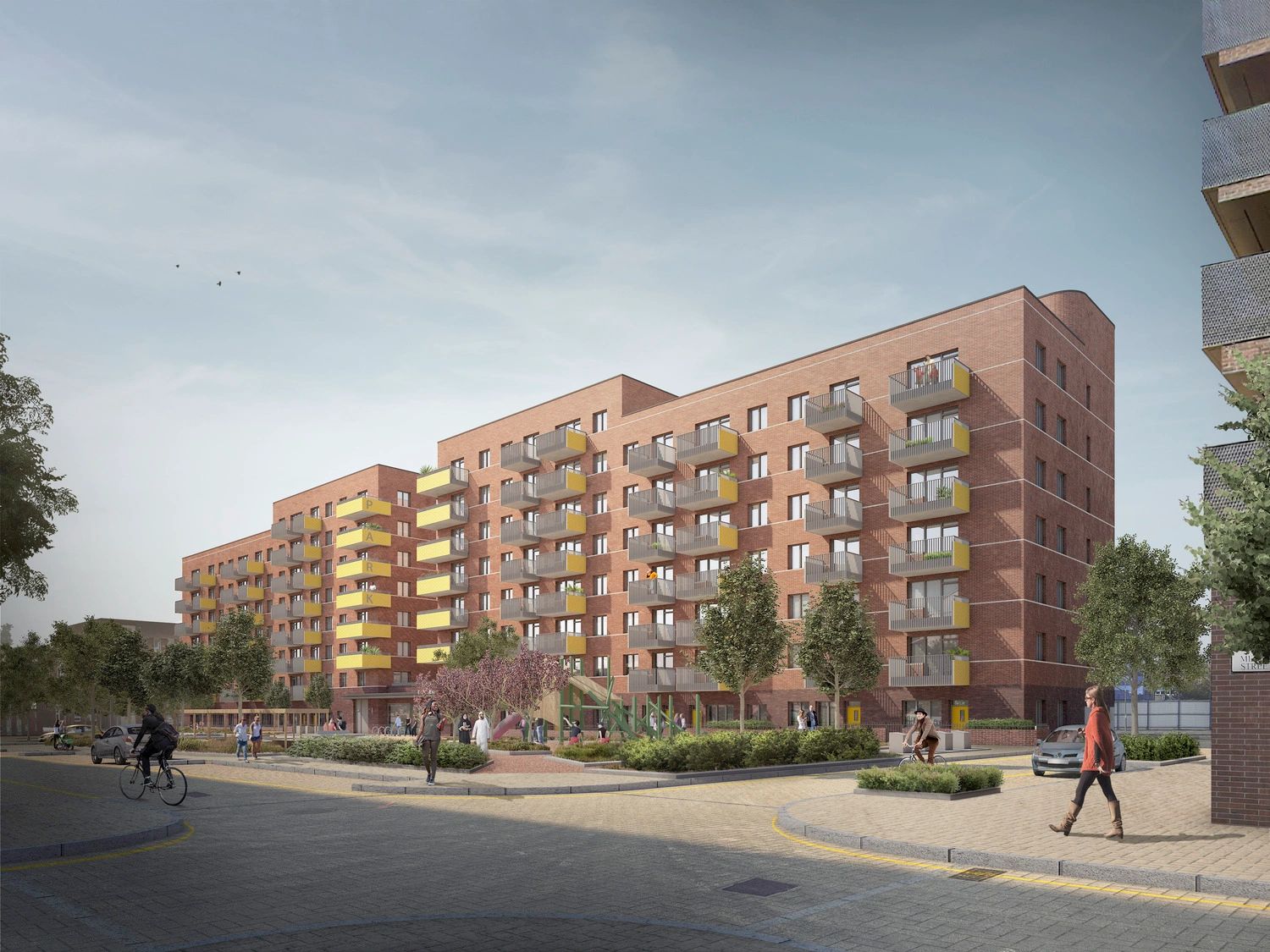
Most of the daylight and sunlight work we do in Barking and Dagenham comes from three kinds of site. The first is the Becontree estate, where the cottage-style semis and short terraces of Dagenham, Becontree and Chadwell Heath sit close enough together that a first-floor or wrap-around rear extension can reach a neighbour's kitchen window. The second is the older streets around Barking town centre, Ripple Road and Longbridge Road, where houses, shops and community buildings have been extended piecemeal for decades, so the "existing" situation is rarely what the original drawings show. The third is the new flatted schemes at Barking Riverside and along the Thames View corridor, where daylight inside the new homes matters as much as the effect on the neighbours.
Barking and Dagenham's officers tend to ask for an assessment when a scheme adds height or depth close to a boundary, when the site has planning history, or when a neighbour has raised loss of light during consultation. The council's Local Plan 2037 and its Residential Extensions and Alterations SPD both point to the BRE guidance (BR 209) as the yardstick, so a report that follows BR 209 closely is the one that gets read. This page covers what we have done recently in the borough, what the council looks for, and when you are likely to need a daylight and sunlight assessment at all.
Recent daylight and sunlight assessments in Barking and Dagenham
343 Ripple Road, Barking, IG11: two massing options tested for a community building
A first-floor rear extension and rear dormer to a community building on Ripple Road, converting the roof space into classrooms. The architects wanted two options, a 3 m and a 6 m first-floor extension, tested against the adjoining house, which had since built its own rear extension, before choosing one for pre-application. We modelled both side by side: both met the BRE guidelines for the neighbouring windows tested, so the choice could be made on design grounds rather than daylight.
The application, 26/01002/FULL, was validated in July 2026 and is currently with the council.
What Barking and Dagenham planning officers look for
Barking and Dagenham's approach to daylight and sunlight is set by the Barking and Dagenham Local Plan 2037, adopted in 2024. Its design and amenity policies require development to protect the amenity of neighbouring occupiers, including their access to daylight and sunlight, and to avoid creating a sense of enclosure. When officers assess the effect of a proposal on natural light they apply the BRE guidance BR 209: Site layout planning for daylight and sunlight (2022 edition).
For householder applications, including extensions, roof alterations and loft conversions, the council's Residential Extensions and Alterations SPD explains how those policies are applied, and it is the document a case officer will have open when looking at a Becontree rear extension. You can find the adopted Local Plan at lbbd.gov.uk and the borough's supplementary planning documents at lbbd.gov.uk/supplementary.
In practice, officers in Barking and Dagenham want to see three things. First, that the windows tested are the right ones: habitable rooms, not landings or bathrooms. Second, that the existing situation is modelled honestly, including any extensions the neighbours have already built. Third, that where a result falls short of a guideline the report says so plainly and explains what it means for the room behind the window. A report that tests two options, as we did on Ripple Road, also gives the officer something they rarely get: evidence that the applicant has weighed up a smaller scheme.
When you need an assessment in Barking and Dagenham
- First-floor or two-storey rear extensions on the Becontree estate, where the neighbour's kitchen or dining window is often within a few metres of the new flank wall
- Side and rear extensions to the terraces off Ripple Road, Longbridge Road and Dagenham Heathway, especially where the neighbour has already extended
- Extensions or roof additions to shops, community buildings and places of worship with houses behind them
- Conversions of houses into flats around Barking town centre, where the council will want to see that the new rooms are adequately daylit as well as the neighbours protected
- New-build flats at Barking Riverside, Thames View and the town-centre regeneration sites, which need an internal daylight assessment and a neighbour-impact study
- Any scheme where a neighbour has raised loss of light during consultation and the case officer has asked for evidence
How we work
We build a 3D model of your proposal and its surroundings from your drawings, mapping data and photographs, then run the BRE tests on every neighbouring window and garden that could be affected. The fee is fixed and agreed up front, and the report usually takes 4–5 working days from final drawings. Where something falls short we tell you first, with options, before the report is written. The four tests are:
- Vertical Sky Component (VSC): how much sky a neighbouring window can see
- No-Sky Line (NSL), or daylight distribution: how far daylight reaches into the room behind it
- Annual Probable Sunlight Hours (APSH): sunlight to windows facing within 90 degrees of south, over the year and in winter
- Sun on ground: whether at least half of a garden still receives two hours of sun on 21 March
The detail of each test is on our VSC, NSL and APSH page and the thresholds are explained on our BRE guidelines page.
Frequently asked questions in Barking and Dagenham
Does Barking and Dagenham ask for a daylight report on a Becontree rear extension?
Not routinely for a single-storey extension within the SPD's depth guidance. It becomes likely once you go to first-floor level, build close to a side boundary with a neighbouring window, or a neighbour raises loss of light. If the officer asks, a focused report on the one or two affected windows is usually enough.
My neighbour has already extended. Does that help or hurt?
It changes the baseline. The BRE tests compare the light your neighbour would have after your scheme with the light they have now, and their own extension is part of "now". On Ripple Road that was the reason for testing two options rather than guessing, which is why we model what is actually built rather than what the original drawings show.
Can you test two versions of the design before I commit to one?
Yes, and in Barking and Dagenham we often recommend it for sites with planning history. Two massing options in one model cost a little more than one but far less than a second report later, and you go to pre-application knowing which option the daylight evidence supports.
Get a fixed-fee quote
Send us your drawings through our contact page or get an instant figure from the price calculator, and we will come back to you the same working day. You can also call Nick on 01962 809155 or email nick@sunlightassessments.co.uk. If your site is over the border in Redbridge, our Redbridge page covers that council's requirements.

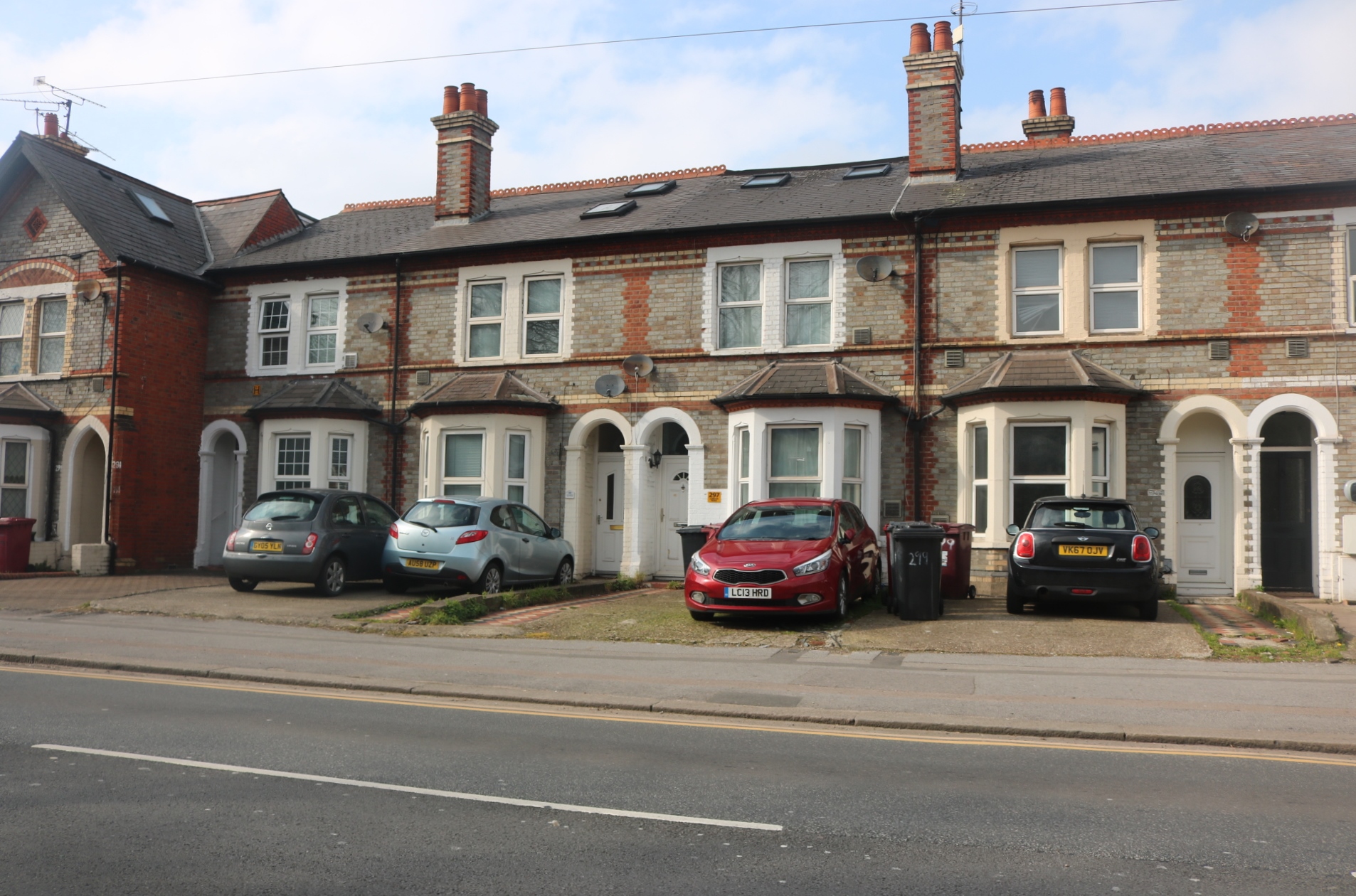
Daylight and Sunlight Assessments in Reading
Concerned about an objection?
Get expert daylight and sunlight advice to protect your development and peace of mind.
or call 01962 809155

Specialist daylight, sunlight and overshadowing assessments for planning and development across the UK.



FOR ALL NEW ENQUIRIES - please fill out the contact form.

37/39 Southgate Street, Winchester Hampshire SO23 9EH

15189362